Introduction
Reservoirs are ingenious human-made structures initially designed for water-related purposes such as water supply, irrigation, and recreational activities. Over time, however, these bodies of water have become significant ecological zones that support a myriad of wildlife species. Being artificial doesn’t detract from their ecological value; instead, they have emerged as essential habitats that offer refuge amid landscapes increasingly modified by human endeavors.
The Role of Reservoirs in Biodiversity
Reservoirs play a pivotal role in biodiversity conservation. They contribute by providing habitats for aquatic and terrestrial species alike, nurturing birds, mammals, and a range of plant life. A reservoir’s stable water supply provides a consistent source of nourishment and shelter, especially vital in arid regions where water scarcity is an ongoing challenge. Unlike natural water bodies, which are subject to seasonal variations, reservoirs maintain more consistent levels, thereby offering year-round support to both native and migratory species.
Aquatic Life
The aquatic ecosystems within reservoirs frequently accommodate an array of fish, amphibians, and invertebrates. Reservoirs are often stocked with fish species like bass, trout, and catfish to promote recreational fishing. This stocking process inadvertently enhances the local food web, supporting not only the fish themselves but also predatory birds and other wildlife. Amphibians, such as frogs and newts, tend to flourish in these settings, finding the moisture-rich environment conductive to breeding and development.
Bird Populations
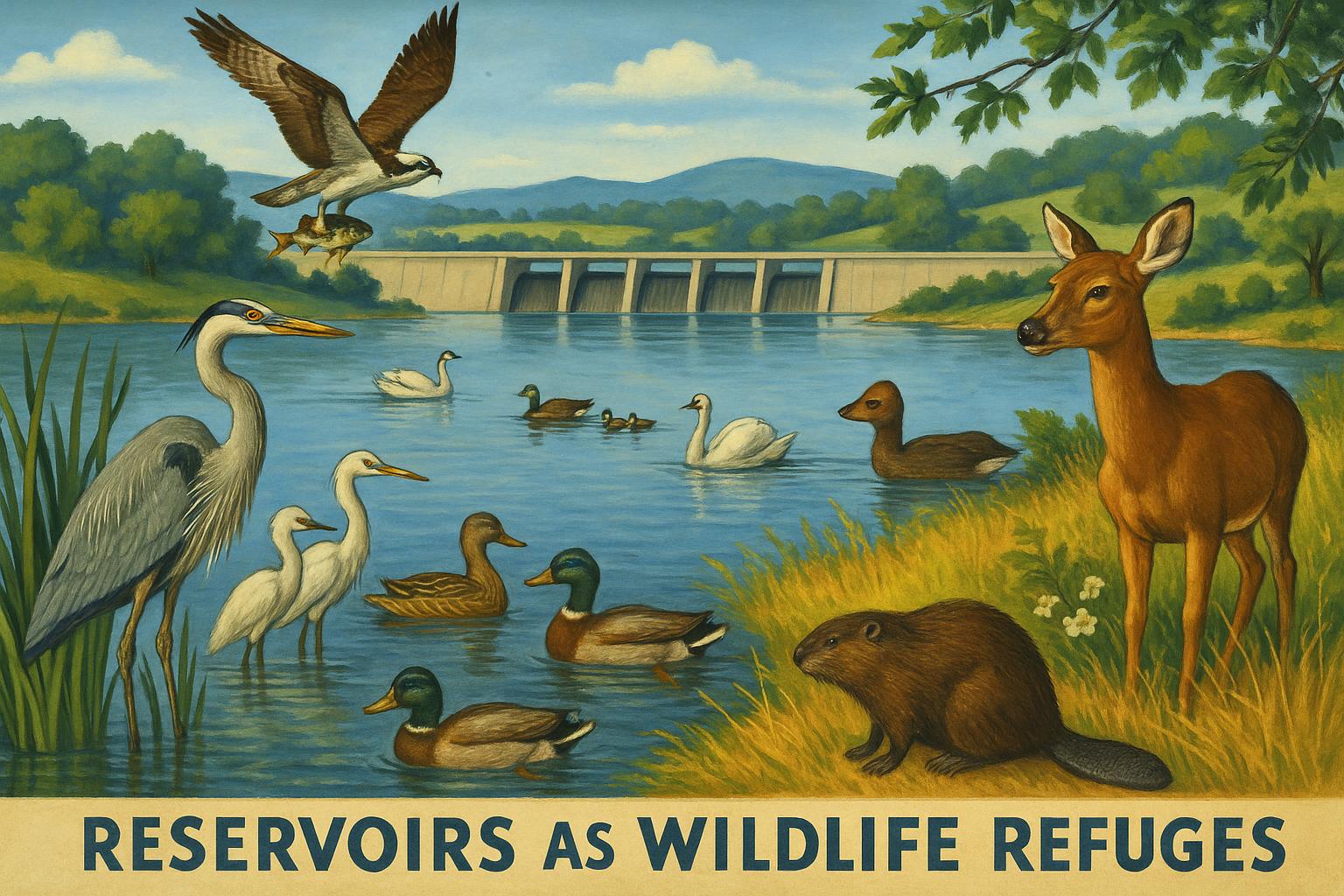
Birds benefit significantly from the presence of reservoirs, using them as vital stopovers during migration or as permanent habitats. Species including herons, cranes, and ducks tap into the resources offered by these water bodies for both feeding and nesting. As many of these birds occupy higher trophic levels, their presence is an indicator of the reservoir’s ecological health. If the bird populations are thriving, it usually means the ecosystem’s various components are functioning properly, balancing producers, consumers, and decomposers.
Terrestrial Wildlife
The areas surrounding reservoirs often become verdant zones with lush vegetation, offering shelter and foraging opportunities for terrestrial mammals and reptiles. Species such as deer, foxes, and rabbits, along with various snakes and lizards, may inhabit these areas. The abundant plant growth, fueled by the proximity to a water source, provides excellent coverage and sustenance for these species, contributing to a diverse and stable ecosystem.
Challenges and Considerations
Although reservoirs bring numerous ecological benefits, they also present challenges that require careful management. The alteration of natural water flow can harm downstream ecosystems, disrupting the habitats of species reliant on those conditions. Additionally, reservoirs can be susceptible to water quality issues like eutrophication, which occurs due to nutrient runoff from agriculture or other human activities, leading to harmful algal blooms that deplete oxygen levels and endanger aquatic life. Such challenges necessitate proactive measures to maintain the ecological integrity of reservoirs.
Conservation Efforts
To mitigate environmental impacts and enhance reservoirs as wildlife refuges, several conservation strategies are employed. Habitat restoration projects can improve the ecological conditions within and around reservoirs, supporting a diverse range of species. Efforts to control pollution and manage nutrients entering the water body can alleviate problems like eutrophication. Sustainable water management practices, including creating buffer zones, are designed to protect water quality by minimizing agricultural and urban runoff. Furthermore, monitoring and conservation programs aimed at supporting wildlife populations are essential in ensuring that these areas continue to support biodiversity.
For more comprehensive understanding and further resources on reservoir ecosystems and their roles, organizations such as the World Wildlife Fund provide valuable insights and data.
Conclusion
Despite their original designs aimed at fulfilling human needs, reservoirs have transcended their primary purposes to become indispensable for wildlife conservation. They now provide critical habitats, bolstering biodiversity and acting as sanctuaries for a diverse array of species. Through mindful management and targeted conservation strategies, reservoirs can continue to serve dual roles that are crucial for both human progress and ecological preservation. By appreciating and harnessing these intricate ecosystems, we can ensure they remain vital to sustaining biodiversity amidst evolving environmental landscapes.