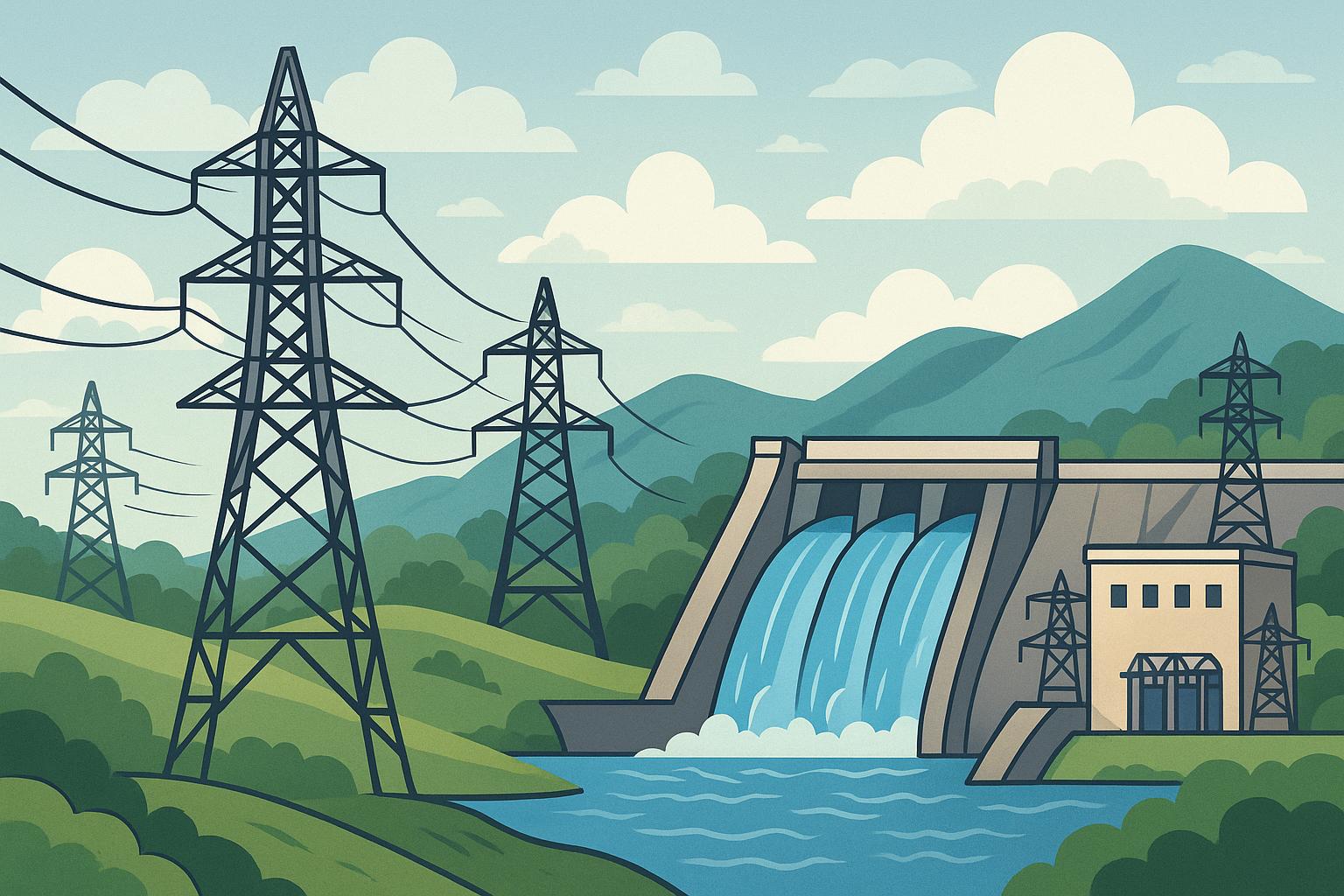
Understanding Power Generation
The generation of power is a critical component of modern society, supplying the electricity needed for residential, commercial, and industrial activities. Power generation utilizes various technologies and resources, encompassing fossil fuels, nuclear plants, and renewable energies such as wind, solar, and hydroelectricity.
The Role of Hydroelectric Projects
Hydroelectric power is one of the oldest and most widely utilized forms of renewable energy. It plays an essential role in global power generation due to its ability to provide substantial amounts of electricity with relatively low greenhouse gas emissions. Hydroelectric projects typically involve the construction of a dam across a river, creating a reservoir for water storage. This stored water powers turbines, which generate electricity.
Types of Hydroelectric Projects
Hydroelectric projects are primarily categorized into three main types:
Run-of-River: These projects do not necessitate large reservoirs. Instead, they rely on the natural flow of river water to produce electricity. They are generally constructed on smaller rivers or streams and are designed to minimize ecological impact.
Reservoir (or Storage) Dams: This involves the erection of a dam to hold water in a reservoir. The stored water is utilized to generate electricity as needed, providing a dependable power supply. Additionally, this type of project can offer other benefits such as irrigation and flood control.
Pumped Storage: This hydroelectric power plant stores energy through water pumped from a lower elevation reservoir to a higher one. It assists in balancing supply and demand, which is particularly beneficial for storing excess energy from intermittent sources like wind and solar.
Challenges and Considerations
Despite their benefits, hydroelectric projects pose numerous challenges that need careful management.
Environmental Impact: The construction and operation of hydroelectric initiatives can sometimes disrupt local ecosystems, obstruct fish migration, and modify water quality and temperature.
Social Impact: Constructing large dams can result in the displacement of communities and changes in traditional ways of living.
Economic Costs: Initial construction costs for hydroelectric projects tend to be high, although they typically offer cost-effective energy in the long run due to low operational and maintenance expenses.
Global Perspective on Hydroelectric Power
Hydroelectric power is a pivotal element in the energy strategies of various nations. According to the International Energy Agency (IEA), hydroelectricity is responsible for about 16% of the world’s electricity production. Countries rich in water resources such as Canada, Brazil, and Norway extensively deploy hydroelectric power to satisfy their energy demands.
In conclusion, even though hydroelectric power represents a clean and renewable energy source, it remains crucial to tackle the environmental and social challenges linked to its development. Through meticulous planning and technological advancements, hydroelectric projects can maintain their role as a cornerstone of sustainable energy solutions globally.
Economic Benefits of Hydroelectric Power
Hydroelectric power presents significant economic advantages. Once a project is complete, the generated electricity is usually more affordable compared to energy from fossil fuels or nuclear sources. This economic efficiency stems from the absence of fuel costs and relatively low maintenance expenses. Furthermore, hydroelectric projects can have long lifespans, often exceeding 50 years, rendering them a durable investment for ongoing power supply.
The construction and maintenance of hydroelectric facilities also create job opportunities during the different phases of a project. These jobs can vary from construction workers and engineers to environmental scientists and technicians. In regions where economic opportunities may be limited, these projects can contribute to economic growth and increased economic stability.
Technological Advancements in Hydropower
Innovations in hydroelectric technology continue to enhance the efficiency and environmental performance of projects worldwide. Advanced turbine technology, for example, allows for increased energy extraction from specific water flows, improving the economic viability of smaller or unconventional projects. Furthermore, environmental impact assessment processes have evolved, ensuring that ecological considerations are integrated from the initial stages of project planning.
Micro-hydro systems, a relatively new development, can produce renewable electricity on a smaller scale, suitable for rural or isolated communities. These systems are particularly valuable in areas where there is no access to national power grids, offering an independent and secure power source.
Future Outlook for Hydroelectric Power
The demand for renewable energy resources is projected to rise as more nations seek to cut greenhouse gas emissions and move towards cleaner energy solutions. Hydroelectric power, with its ability to provide sustainable and reliable energy, is anticipated to be a vital component in this global shift.
Integration with other renewable energy sources, such as wind and solar, is becoming more common, with hydroelectric plants providing backup power when these intermittent resources are not producing electricity. This synergistic approach not only helps stabilize energy supplies but also maximizes the use of renewables, facilitating a more balanced and dependable energy grid.
Whether at a large scale or through micro-hydro innovations, hydroelectric power remains a pivotal player in the quest for a sustainable energy future. As technology advances and environmental awareness grows, its role will likely expand, furthering its capacity to generate clean electricity and support global energy needs.