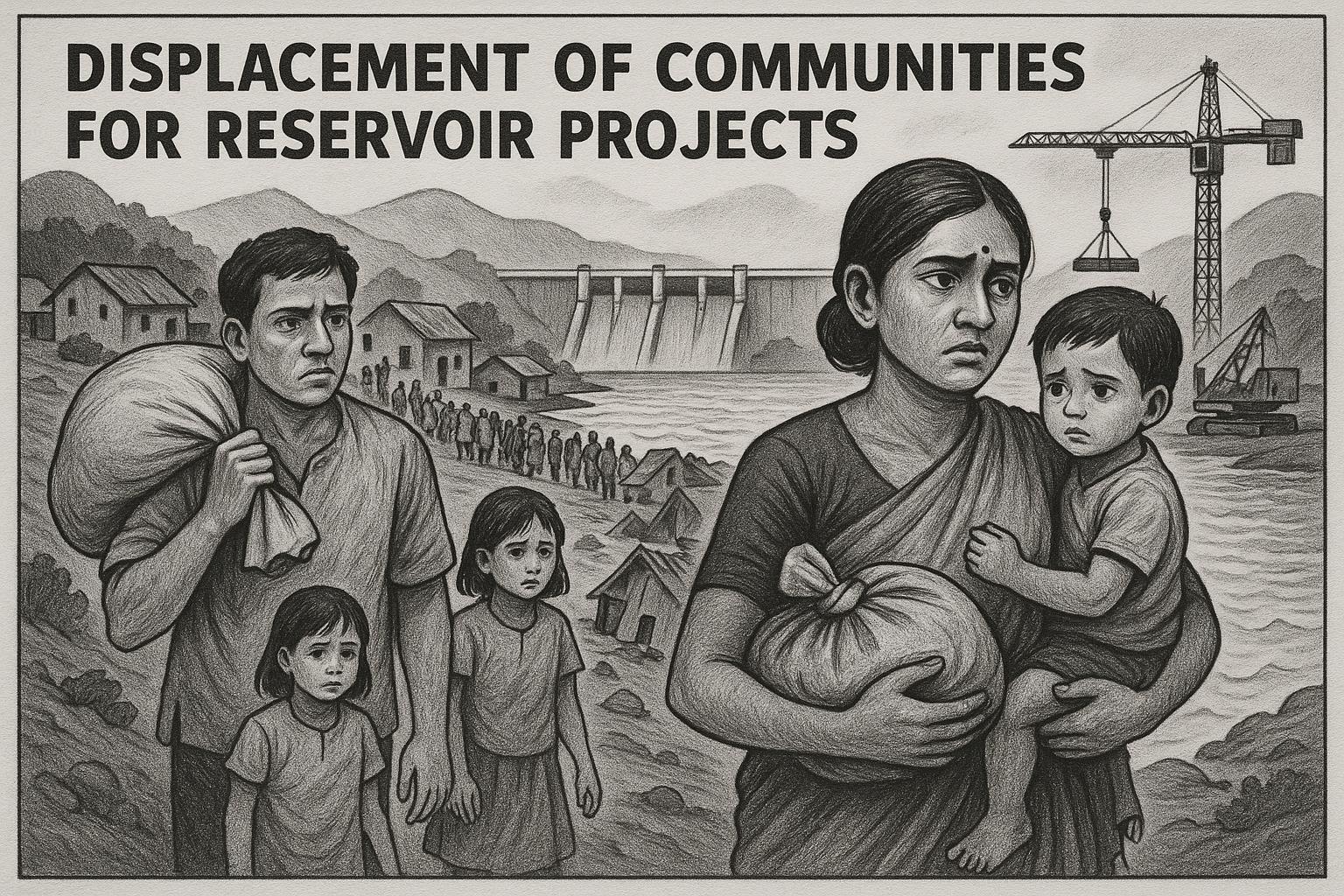
Introduction to Reservoir Projects and Community Displacement
Reservoir projects represent large-scale infrastructure endeavors that serve multiple purposes, including water supply enhancement, flood control, the generation of hydroelectric power, and agricultural irrigation. These projects are essential for modern development and can provide significant benefits to society. However, the creation of reservoirs often comes at a human cost, as they can lead to substantial disruptions for local communities inhabiting the designated sites. In this article, we delve into the usual repercussions of displacement due to reservoir projects, the processes underlying these movements, and potential strategies to alleviate these impacts.
Reasons for Displacement
The construction of a reservoir typically requires the inundation of extensive land areas. This process often involves submerging regions that encompass residential zones, farmable land, and sites of cultural relevance. Consequently, the people who reside in these territories are compelled to leave their homes. This displacement poses numerous socio-economic challenges for the individuals and communities affected.
Socio-Economic Impact
Displacement attributed to reservoir initiatives frequently results in the fragmentation of social networks and established social practices. Individuals may be stripped of their homes and livelihoods, disrupting their access to community services and resources. This can exacerbate poverty levels, lead to diminishing living conditions, and inflict psychological stress on affected individuals. Extensive research indicates that achieving long-term economic recovery for displaced communities can be a daunting and intricate process.
Cultural and Environmental Concerns
Apart from socio-economic consequences, the eradication of culturally meaningful sites and environmental upheavals are other profound impacts tied to reservoir projects. Sites with historical significance, sacred areas, and vital natural habitats might face submersion or significant alteration, leading to losses in cultural heritage and biodiversity. This loss goes beyond tangible assets, affecting communal identities and historic continuity.
Resettlement and Compensation
A crucial element in mitigating the repercussions of displacement involves the design and execution of effective resettlement and compensation frameworks. Entities responsible for reservoir projects, either governmental bodies or corporate organizations, must ensure that those displaced receive equitable reimbursement for lost properties and receive ample support for rebuilding or establishing new livelihoods. The ultimate objective should be to enhance, or at the very least, restore the living conditions of those affected to their state before displacement occurred.
Case Studies
The global landscape presents several noteworthy examples that illuminate the complexities and resolutions related to displacement. The Three Gorges Dam in China and the Sardar Sarovar Dam in India serve as prominent cases where large-scale dislocations took place. Despite the undeniable economic advantages these projects bring, they also underscore the dilemmas and disputes associated with community displacement. These case studies not only illustrate the scale of the challenges that arise but also pave the way for understanding potential best practices in dealing with such issues.
Conclusion
The phenomenon of community displacement resulting from reservoir projects is a multifaceted issue that interlinks a variety of social, economic, and environmental aspects. Addressing this requires a comprehensive approach emphasizing minimal adverse impacts while ensuring equitable treatment for displaced populations. Efficient planning, transparent policymaking, and robust community engagement are imperative to effectively mitigate the adverse outcomes associated with these projects. Embracing these strategies can contribute significantly to reconciling the developmental advantages of reservoir projects with the foundational rights and welfare of affected communities. For a deeper understanding of the nuances involved, consider exploring resources such as the World Bank’s Social Analysis.