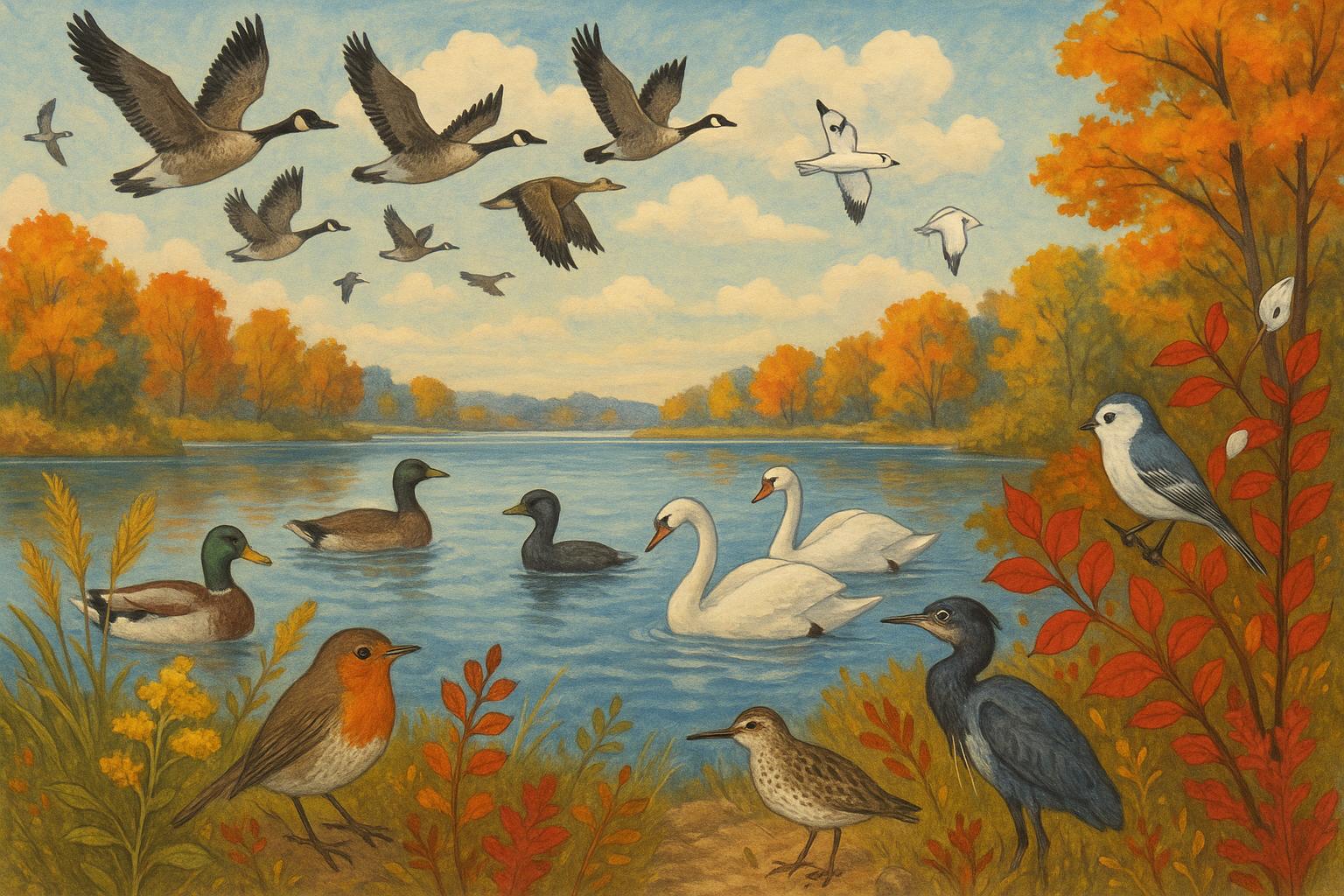
Bird Migrations: A Seasonal Phenomenon
The migration of birds stands out as one of the most remarkable phenomena in the natural world. In their vast journeys, various bird species travel thousands of miles between their breeding grounds and winter refuges. These migrations are intricately timed with the changing seasons and are especially visible in regions surrounding lakes, which provide essential resources like food and shelter.
The Role of Lakes in Bird Migrations
Lakes are pivotal in the lives of many migratory birds, acting as critical stopover points or sometimes serving as their final destination. These water bodies are sanctuaries, offering resting and refueling opportunities for birds during their extensive flights. The availability of abundant food sources, such as fish, crustaceans, and aquatic plants, makes lakes a magnet for a wide range of bird species.
Why Lakes Are Crucial for Migratory Birds:
- Lakes provide a variety of food resources, crucial for the replenishment of energy needed for migration.
- They offer a safe roosting environment, protected against predators.
- Many lakes support the necessary habitats for both aquatic and semi-aquatic bird species.
Species You Might Encounter
Birdwatchers venturing to lakes during migration seasons can anticipate encounters with a diverse array of bird species. Some commonly observed species include:
Ducks and Geese: Known for traveling in large flocks, these waterfowl are commonly noticed during their journey southward in the fall and when they head back north in the spring.
Shorebirds: Species like sandpipers and plovers rely on lake shores as rich feeding grounds, benefiting from the abundant food sources these areas provide.
Raptors: Although not all raptors depend on lakes, certain species, such as the Osprey, are frequently seen hunting for fish in these environments.
For further details on specific species migrating through lake regions, the Audubon Bird Guide offers an extensive resource.
Environmental Factors Influencing Migration Patterns
Several environmental factors influence the timing and patterns of bird migrations, key among them being:
Weather Conditions: Wind patterns and temperature shifts play vital roles in defining migration routes and the timing of migrations, with favorable winds aiding efficient travel and adverse weather potentially causing delays or altering paths.
Day Length: The photoperiod, or the length of daylight in a day, provides an essential cue that signals many bird species to commence their migratory journeys.
Food Availability: The presence or scarcity of food resources can heavily dictate the duration of the birds’ stays at specific stopover points and may even influence alterations in their migration routes.
Threats to Migratory Birds at Lakes
Despite their crucial role in supporting migratory birds, lakes face a multitude of threats:
Pollution: Pollution in water bodies can lead to habitat degradation, adversely affecting the health and well-being of bird populations relying on these ecosystems.
Climate Change: Shifts in climate patterns pose the risk of disrupting migration timings, potentially leading to mismatches between birds and the critical food resources they rely on.
Human Activity: The presence and activities of humans around lakes can disturb and stress birds resting and foraging in these areas, impacting their ability to adequately prepare for continued migration.
To maintain the fragile balance required for successful bird migrations, concerted efforts to conserve and restore lake habitats are paramount. Conservation initiatives often emphasize reducing human impact and mitigating climate change effects. For comprehensive insights into ongoing conservation efforts, you might visit resources such as the World Wildlife Fund.
Understanding the complex dynamics of bird migrations and the pivotal role of lakes in these processes deepens our appreciation of these natural spectacles. It also highlights the profound importance of preserving these vital ecosystems to ensure their survival for future generations.