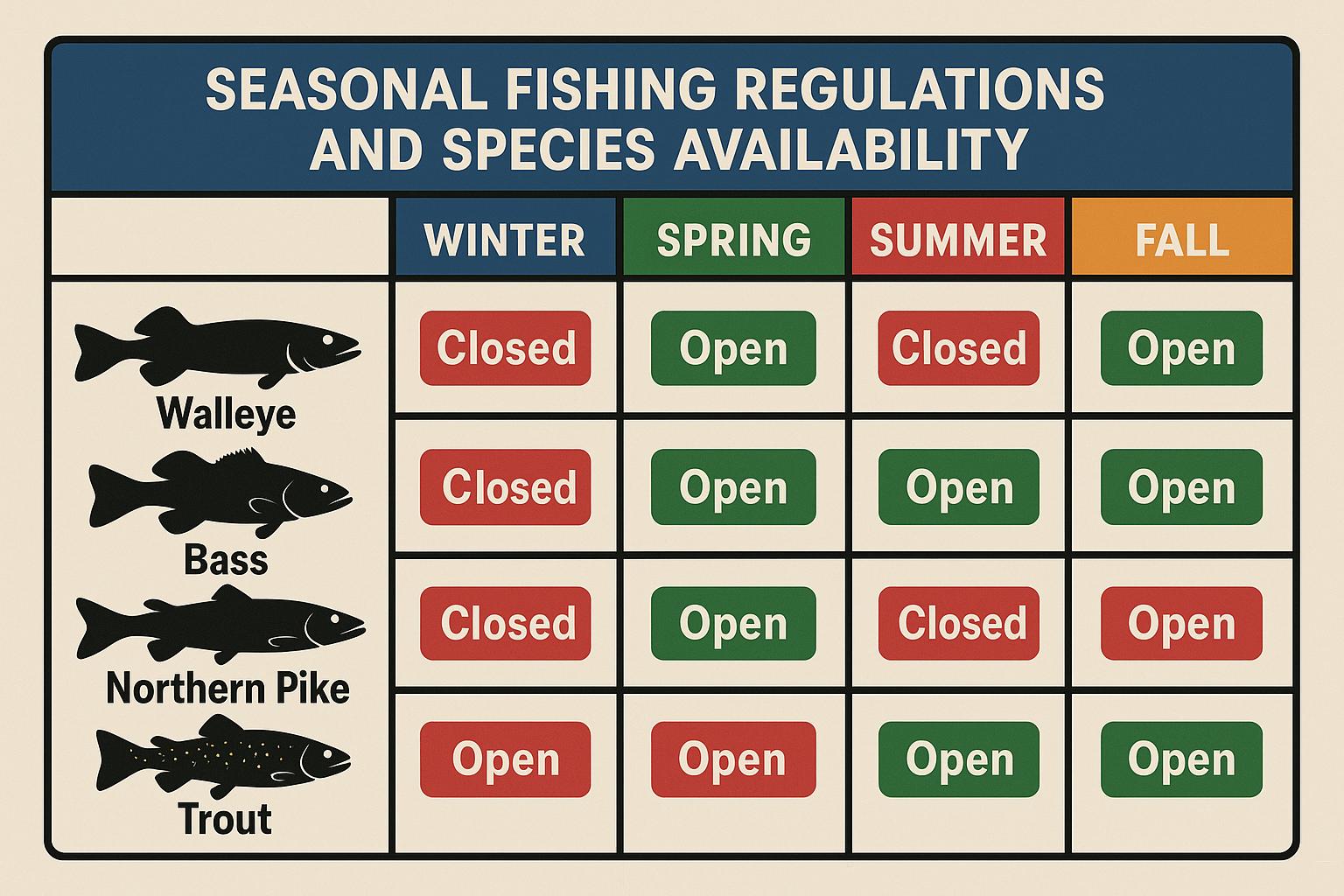
Understanding Seasonal Fishing Regulations
Fishing is not only a beloved recreational activity for many but also a significant contributor to global economies, particularly in coastal regions. However, to maintain the delicate balance of aquatic ecosystems and ensure the long-term sustainability of fish populations, regulatory measures such as seasonal fishing regulations are enforced. These regulations are carefully crafted based on ecological, biological, and environmental factors impacting fish populations. The following discussion delves into these critical elements and underscores the importance of these regulations.
The Importance of Seasonal Fishing Regulations
Seasonal fishing regulations are foundational to the sustainable management of marine resources. These measures play a pivotal role in ensuring that fish populations remain robust and that aquatic ecosystems function optimally. By implementing specific seasons for fishing particular species, regulatory bodies aim to mitigate the impact of human activities on fish populations, particularly during sensitive periods such as spawning seasons.
The sustainable management of fish populations is not only critical for maintaining biodiversity but also for ensuring that fishing activities do not inadvertently lead to overfishing or the depletion of key species. These regulatory measures are designed with an in-depth understanding of fish biology and behavior, ensuring that these valuable resources are preserved for future generations.
Factors Influencing Seasonal Regulations
Crafting effective seasonal fishing regulations involves a comprehensive understanding of several key factors:
Biological Cycles: The life cycles of marine species, particularly their breeding and spawning periods, are central to the formation of fishing regulations. By protecting fish during these critical times, their reproductive success is enhanced, contributing to population stability and growth.
Ecological Balance: The health of aquatic ecosystems depends on maintaining the complex web of interactions between different species. Seasonal protection of specific fish species helps preserve these natural interactions, thereby supporting the overall balance within ecosystems.
Environmental Conditions: Natural seasonal variations, including changes in water temperature, currents, and weather patterns, significantly influence fish behavior and distribution. Effective regulations often align fishing seasons with these environmental conditions to promote sustainable practices that work in harmony with nature.
Species Availability and Fishing Seasons
The availability of fish species is not uniform throughout the year. It is influenced by various factors, including migration patterns, breeding cycles, and environmental conditions. The implementation of fishing seasons is a testament to these biological rhythms and environmental realities.
Migration and Spawning: Many fish species exhibit specific migratory behavior, often gathering in particular areas for spawning during certain seasons. Regulations are accordingly tailored for species like the Atlantic salmon, which return to freshwater rivers to spawn, ensuring they are caught only during designated seasons.
Local Regulations: Different countries and regions have diverse ecological requirements and fishery management goals, resulting in varied fishing regulations. It is crucial for fishers to be well-informed about local regulations to ensure compliance and promote sustainable fishing practices.
Compliance and Conservation
Compliance with seasonal fishing regulations is more than just a legal obligation; it is a fundamental aspect of conservation efforts globally. By adhering to these guidelines, fishers play an essential role in the sustainable management of marine ecosystems, ensuring that fishing activities remain viable and responsible.
Abiding by the regulations helps to prevent the overexploitation of marine resources, thereby safeguarding these resources for future generations. It also promotes a culture of responsible fishing, where participants are informed and conscientious about their impact on the environment.
For those seeking more detailed information about specific fishing regulations in their areas, it is recommended to consult local authorities or relevant websites. For instance, the NOAA Fisheries website provides a comprehensive resource for understanding fishing regulations in the United States. Additionally, local fish and wildlife departments can offer specific guidance pertinent to regional regulations.
In conclusion, while fishing is a widely enjoyed endeavor that contributes significantly to economies and cultures worldwide, awareness and adherence to seasonal fishing regulations stand at the forefront of sustainable fishing practices. These regulations are vital in preserving the health of fish populations and aquatic ecosystems, allowing for the continued enjoyment and economic benefit from these natural resources. By implementing and abiding by these regulations, we contribute to a legacy of responsible stewardship and sustainable resource management.