Introduction
Reservoirs have been integral to water management and have become synonymous with flood control and hydropower generation. These diverse functionalities offer substantial benefits, but reservoirs also serve as significant recreational venues, attracting a variety of visitors engaging in activities such as boating, fishing, and swimming. Balancing these two important roles necessitates a careful application of planning and management strategies to ensure both aspects coexist without undermining one another. This article explores the inherent challenges and the strategies that can help maintain such equilibrium.
Understanding the Dual Roles of Reservoirs
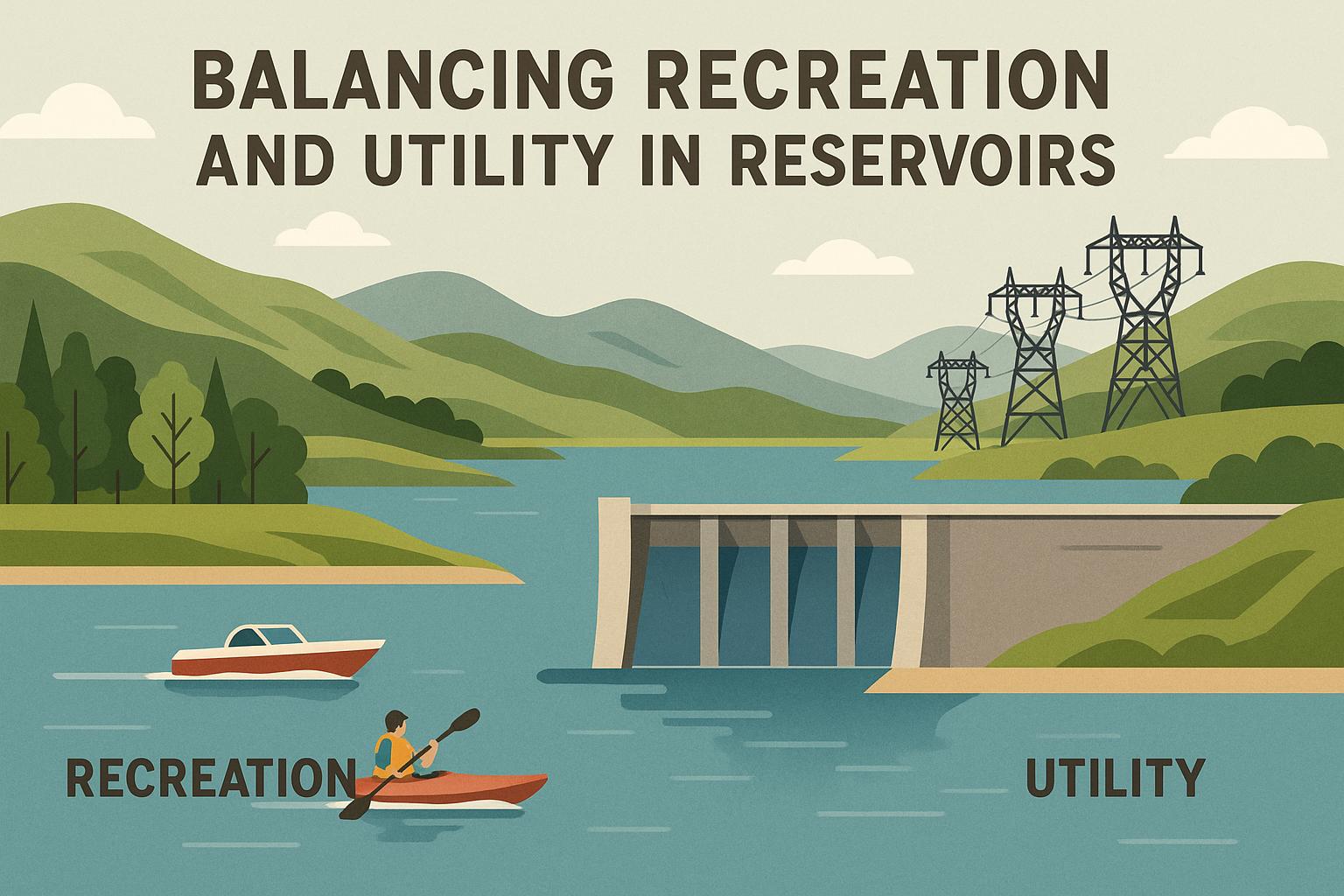
Reservoirs are paramount in fulfilling several regional and local functional roles worldwide. These artificial bodies of water are crucial for ensuring reliable water supply, controlling floods, managing sediment, and generating energy through hydropower. Concurrently, they have developed into recreational retreats that provide diverse activities, additional tourism, and enhance community wellness.
The Importance of Utility
The fundamental purpose of numerous reservoirs is largely utility-centric. They serve as essential reservoirs for municipal water supplies and agricultural support. Particularly in areas susceptible to droughts or those with variable water availability seasonally, reservoirs help manage water resources adeptly. Moreover, they play a vital role in the prevention of flooding by capturing and storing surplus water during periods of heavy rainfall.
Recreational Value
Aside from their operational utility, reservoirs offer an array of recreational activities. These include but are not limited to fishing, boating, kayaking, camping, and trekking around these serene water bodies, all of which attract a multitude of outdoor enthusiasts. Not only does the recreational aspect stimulate local economies through enhanced tourism, but it also vastly contributes to the mental and physical well-being of the public.
Challenges in Balancing Recreation and Utility
Reconciling the dual objectives of recreational use and utility in reservoir management introduces several challenges. A notable issue manifests in the management of water levels. Essential water levels for operational utility may conflict with those preferred for various recreational activities. For instance, low water levels aimed at maximizing storage capacity might restrict activities like boating or negatively impact aquatic ecosystems crucial for fishing.
Moreover, maintaining optimal water quality poses another challenge. Recreational engagements might result in pollution due to the activities of boats, swimmers, or waste left behind by visitors. This pollution has the potential to compromise water quality that might be essential for drinking and agricultural usage.
Strategies for Effective Management
Successfully managing a reservoir to cater to both recreational and utility purposes necessitates comprehensive planning and policymaking processes. This includes engaging stakeholders—such as local communities, environmental groups, and recreational organizations—in the decision-making process. Stakeholder engagement ensures that multiple interests and concerns are accounted for and balanced equitably.
Adaptive Water Level Management
The implementation of adaptive management strategies is crucial, allowing for flexible adjustments to reservoir water levels so that they cater to seasonal recreational needs without compromising utility functions. For example, maintaining higher water levels during peak recreational times can enhance accessibility, while lowering levels during off-peak periods can ensure maximum water storage when necessary.
Water Quality Measures
Safeguarding water quality is vital in reservoir management. This can be accomplished by implementing policies that regulate motorboat usage, providing appropriate sanitation facilities, and promoting sustainable, eco-friendly practices among visitors. Additionally, establishing continuous water quality monitoring programs is essential to promptly identify and respond to potential pollution issues.
Collaborative Governance
Collaboration remains at the heart of effective reservoir management. Encouraging partnership among local governments, environmental advocates, and recreational groups can foster shared governance structures. Such collaboration enables communities to collectively address challenges and balance resource usage with both utility and recreational objectives.
Conclusion
Striking a balance between the utility and recreational uses of reservoirs demands dynamic, flexible management strategies that align with the needs of diverse stakeholders. By integrating sound planning and cooperative governance models, reservoir managers can ensure that these water bodies continue to meet their essential purposes. Moreover, they can simultaneously provide valuable recreational opportunities that benefit local communities and visitors alike. For those interested in delving deeper into operational reservoir management, additional resources can be found here.