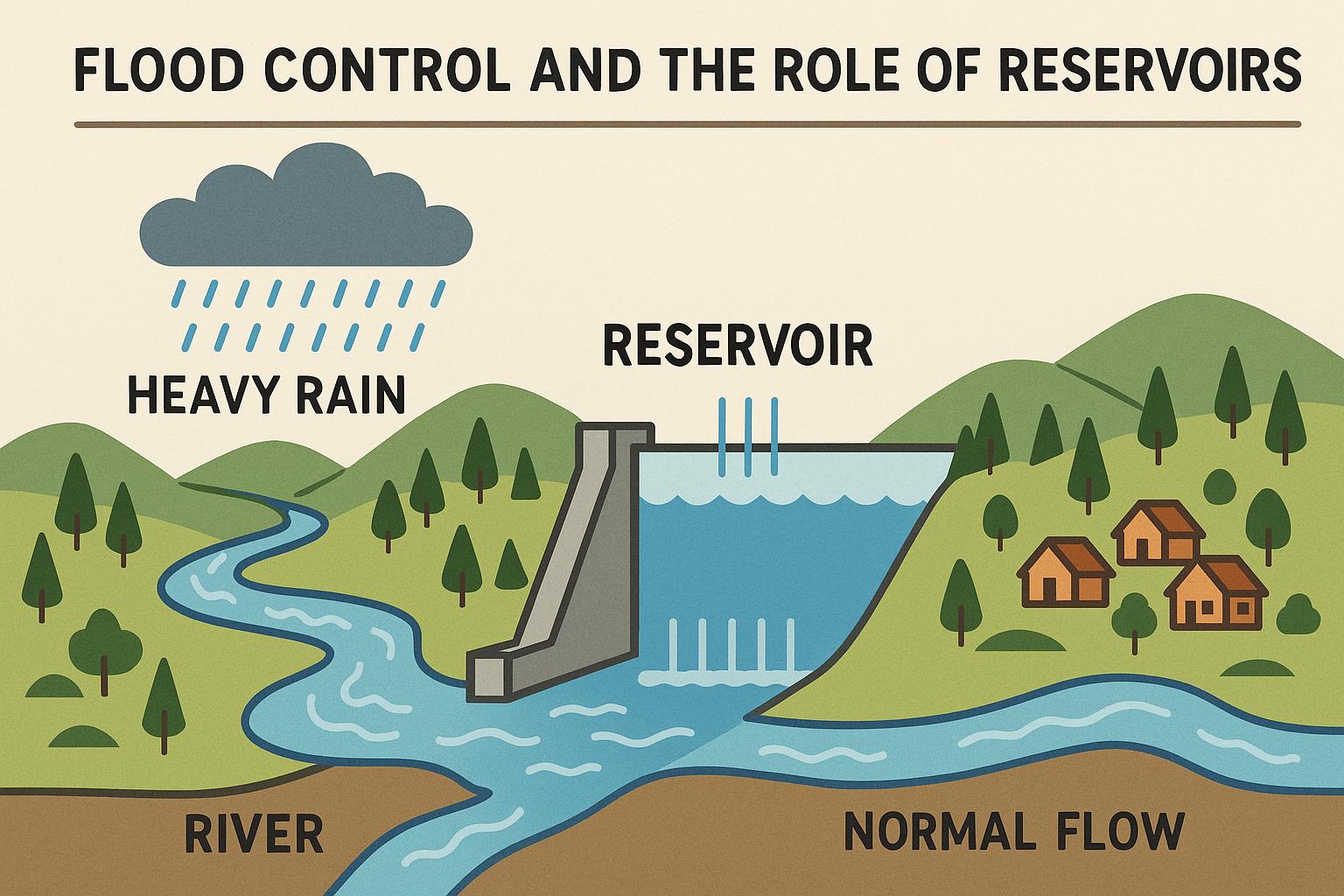
Understanding Flood Control through Reservoirs
Flood control is a significant concern for many regions globally, especially those prone to heavy rainfall and river overflow. These areas often face the challenges associated with excessive water flow, which can lead to severe damage to infrastructure, agriculture, and communities. One key approach in managing and mitigating the risks associated with floods is the construction and operation of reservoirs.
Role of Reservoirs in Flood Control
Reservoirs play an essential role in mitigating the impact of floods by regulating water flow. This aspect is crucial for regions that experience irregular rainfall patterns and are at risk of sudden surges in water levels. By capturing and storing excess water during periods of heavy rainfall, reservoirs serve as buffers. The stored water is then released in a controlled manner once the flooding danger has passed. This not only minimizes immediate flood damage but also assists in maintaining a stable water supply for multiple uses, such as agriculture, drinking, and industrial activities.
Design and Functionality
The primary function of a reservoir concerning flood control is water level management. This is a sophisticated process, achieved through the use of adjustable gates and spillways, which regulate both the inflow and outflow of water. Engineers design these structures meticulously to endure extreme weather events, taking into consideration various factors such as rainfall patterns, river flow characteristics, and the potential downstream impacts on human settlements and ecosystems. This precise design is critical to prevent overflow and ensure that excess water is held temporarily until it can be safely released.
Integrated Water Management
Reservoirs are a significant component of an integrated water management strategy. They often work in tandem with other flood control measures, including levees, stormwater drains, and emergency preparedness plans, creating a cohesive defense system. By collaborating with these other systems, reservoirs significantly enhance a region’s capability to withstand and recover from flood events. This integrated approach not only improves flood management but also optimizes water resources, ensuring that sufficient water supply is available for all necessary applications even during dry periods.
Environmental Considerations
While reservoirs are highly effective in controlling floods, their construction and operation come with several environmental considerations. The development of large dams and reservoirs can lead to disruption of local ecosystems. For instance, changes in water flow and levels can alter fish migration patterns and impact biodiversity within the area. These environmental effects highlight the importance of balancing flood control strategies with environmental sustainability. Planners and engineers must ensure minimal impact on natural habitats while developing and maintaining these critical infrastructures. For more information on the environmental impacts of reservoirs, you can refer to a comprehensive article by the World Wildlife Fund.
Long-term Solutions
Addressing flood control is a multifaceted issue that necessitates a long-term approach. While reservoirs are crucial in providing immediate relief from flood risks, sustainable solutions require incorporating advanced forecasting technologies, judicious land use planning, and community engagement. Advanced forecasting can predict potential flood events, allowing for proactive instead of reactive measures. Meanwhile, thoughtful land use planning can prevent exacerbating flood risks by avoiding development in flood-prone areas. Community engagement is essential to ensure that local populations are prepared and resilient against future floods. For additional insights into sustainable water management practices, organizations such as the International Union for Conservation of Nature (IUCN) offer valuable resources.
In conclusion, reservoirs form an indispensable component of global flood control efforts. By effectively managing water flow, they help protect lives and property, underscoring the need for ongoing investment and innovation in water management infrastructure. As our world faces increasing challenges related to climate change, the development and enhancement of reservoir systems, coupled with comprehensive water management strategies, remain essential to safeguard communities and the environment.